The Decisions That Make a Home Feel Expensive (And the Ones That Don’t)
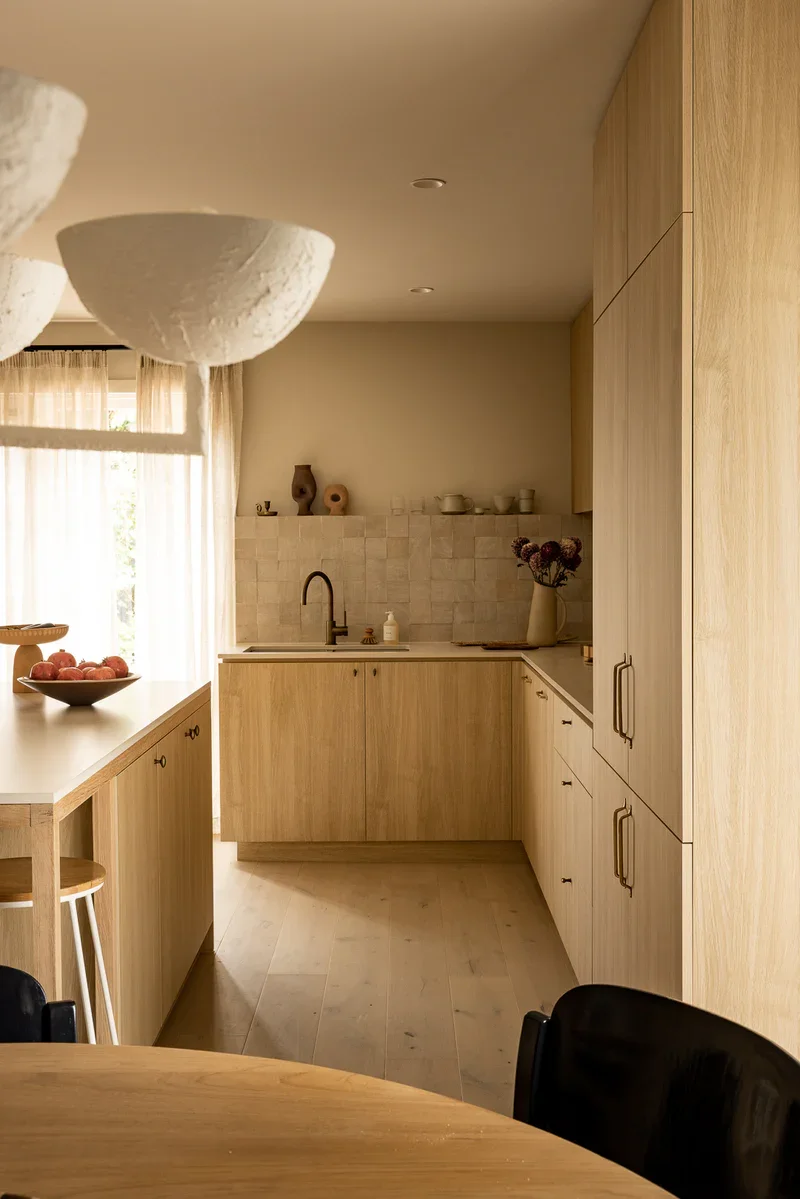
We see beautiful homes all the time that somehow still feel… off.
And it’s almost never about budget.
It’s about decisions.
Some of the most expensive homes we’ve worked in feel effortless, calm, and considered. Others, with just as much money behind them, feel busy, disjointed, or dated before they’re even finished. The difference isn’t square footage or price per foot. It’s judgment, restraint, and timing.
Here are the decisions that consistently separate homes that feel elevated from those that don’t.
1. Fewer materials, chosen well
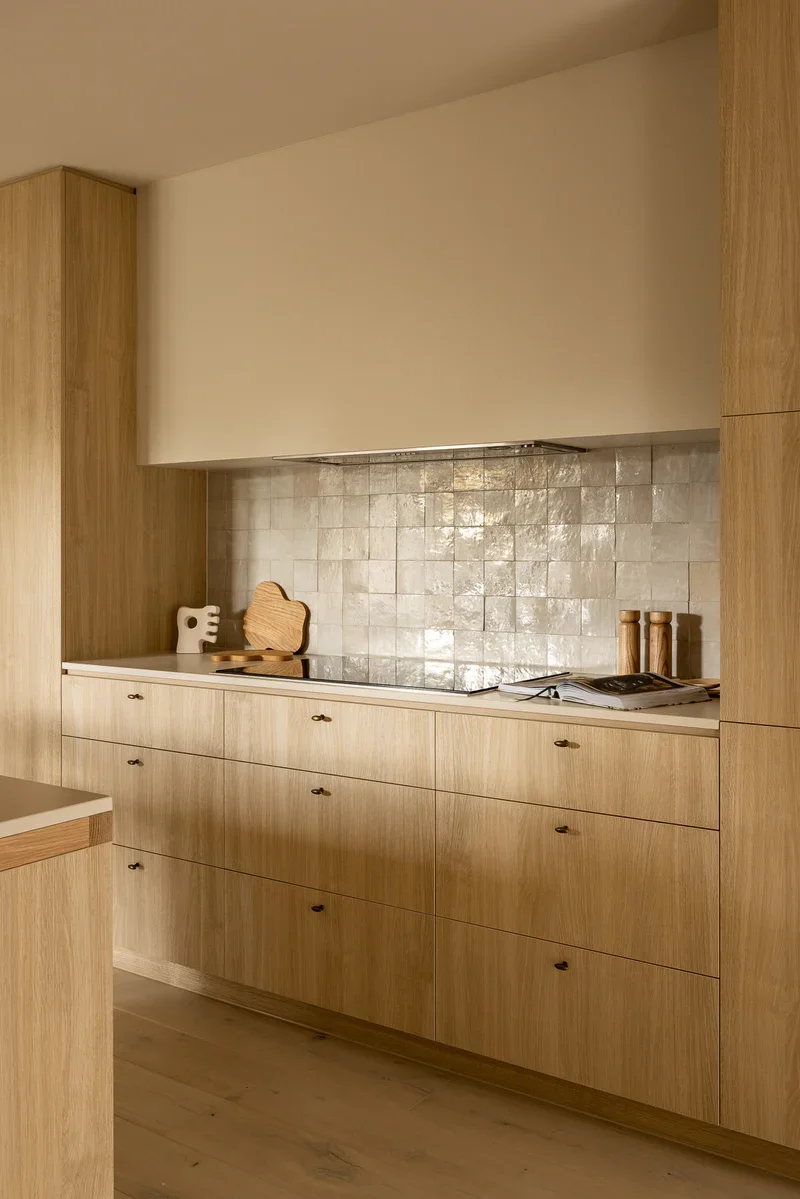
Homes that feel expensive don’t try to do everything at once. They repeat materials intentionally and let them carry the space.
One flooring used throughout.
One tile that shows up again in a different way.
One metal finish, done confidently.
When too many materials compete for attention, nothing feels special. In our projects, we spend a lot of time editing before we ever finalize selections. Most of the work happens in the removal, not the addition.
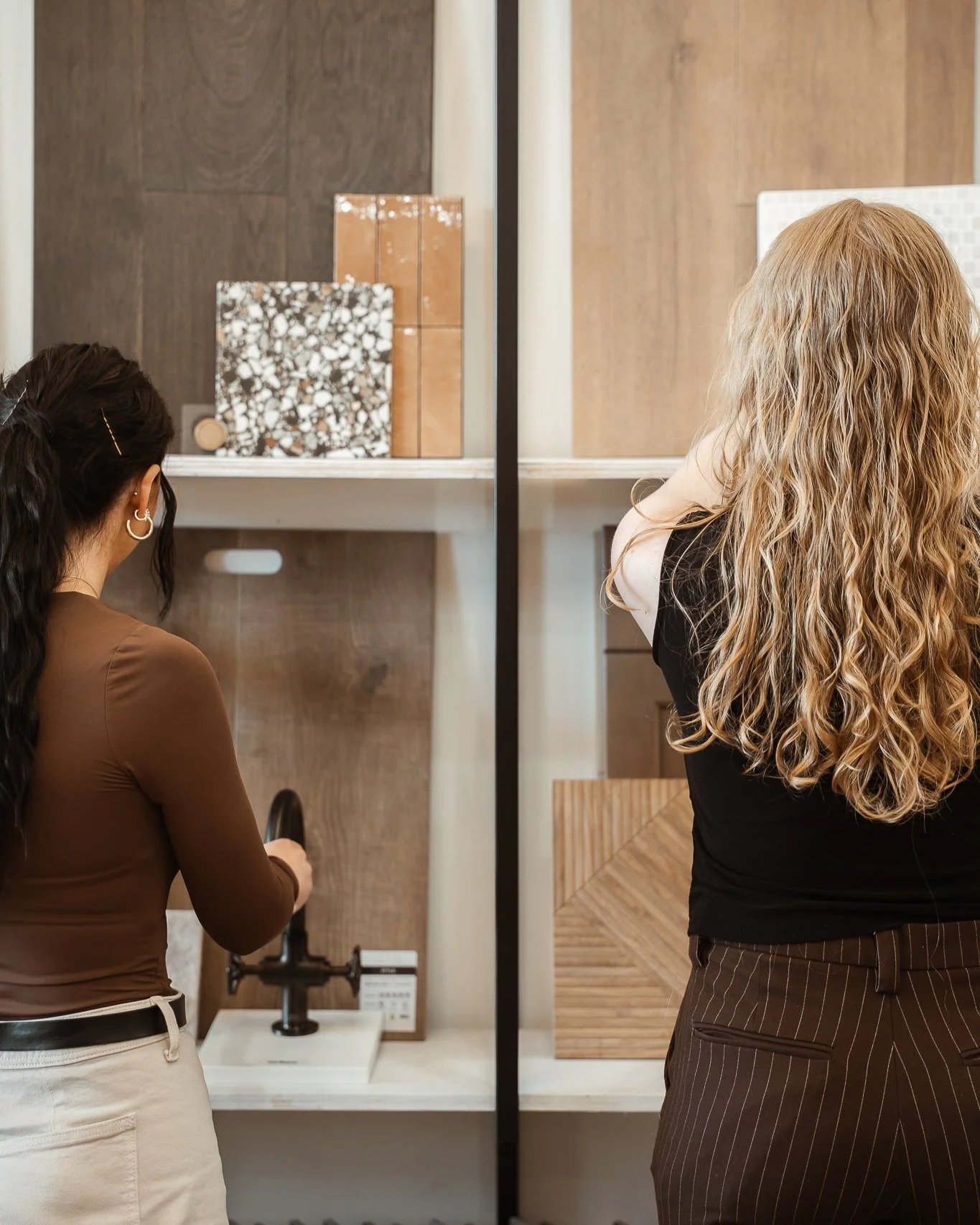
2. Materials chosen in real life, not on a screen
Photos lie. Lighting lies. Scaled-down samples lie.
Materials behave differently when they’re placed next to each other, under real light, and at full scale. Texture, undertone, and finish matter more than trend or color name. This is why we always design with physical materials laid out together, not just digitally.
Seeing everything in context changes decisions. It’s also how mistakes get avoided before they’re built.
3. Expensive homes aren’t over-designed
One of the biggest misconceptions in interior design is that more detail equals better design. In reality, restraint is what reads elevated.
Letting a wall breathe.
Allowing negative space.
Choosing when not to add something.
Homes that feel expensive are confident enough to pause. They don’t explain themselves. They don’t chase every trend. They trust the materials to do the work.
4. Builders notice immediately
This is something homeowners don’t always see, but builders do.
Clear material decisions mean fewer delays.
Thoughtful documentation means fewer questions on site.
Well-coordinated selections mean smoother installs.
When design decisions are made intentionally and early, the entire build benefits. It’s one of the reasons builders consistently appreciate working with teams that understand both design and construction realities.
5. Why we always start with materials
Good design doesn’t start with a mood board. It starts with materials that make sense for the home, the budget, and the way people actually live.
Whether it’s a full-home renovation, a new build, or a focused material consultation, our process always begins the same way: editing, pairing, and committing to a clear direction before anything moves forward.
That clarity is what makes projects feel calm instead of chaotic. It’s also what allows homes to age well, long after trends move on.
Design doesn’t have to shout to be noticed.
The best spaces don’t. They unfold.
If you’re planning a remodel or new build and want confident guidance without overcomplicating decisions, our design team offers both full-service design and material consultations to meet you where you are.